Roads and road rehabilitation
New roads are built on stabilized local soil. Worn roads are recycled in place: the old asphalt and base are milled, treated and compacted into a new, stronger base, with no material hauled away.
Zym-Tec is a bio-enzymatic soil stabilizer. Mixed into local soil and compacted, it forms a dense, moisture-resistant layer for roads, blocks and pipes, using less cement, less trucking and less energy than conventional methods.
Zym-Tec is produced by natural fermentation of sugar cane and organic extracts. It is water-soluble, biodegradable, non-toxic and non-corrosive.
Added to soil with the compaction water, the enzyme acts as a catalyst. It breaks down organic matter and strengthens the bonds between clay particles, so water is pushed out and the soil packs tighter. The result is a semi-rigid, monolithic layer that resists moisture and holds its shape under load.
Samples from the site are tested to set the dosage and the moisture content.
The concentrate is mixed into water and sprayed over the loosened soil.
Standard road equipment blends the soil and compacts it to the design density.
The layer hardens as it dries, forming a moisture-resistant base ready for a surface course.
Illustrated guides that compare the two methods, and a video overview of the technology. Select a guide to view it full size.
Video overview About 8 minutes, narrated in English.
The guides are in English.
The guides are in English.
The guides are in English.
The guides are in English.
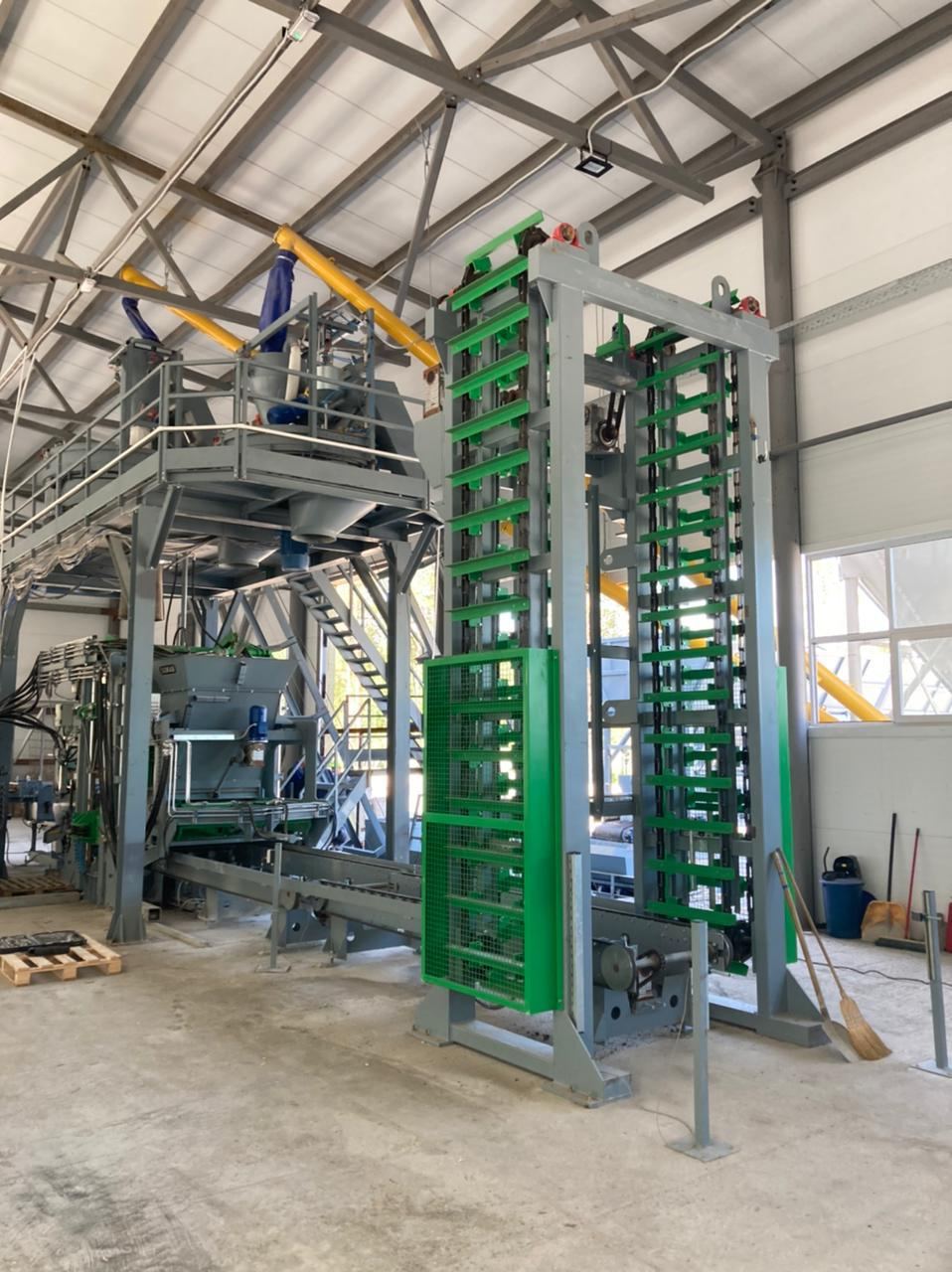
Photos and footage from Zym-Tec road projects and a block production plant.
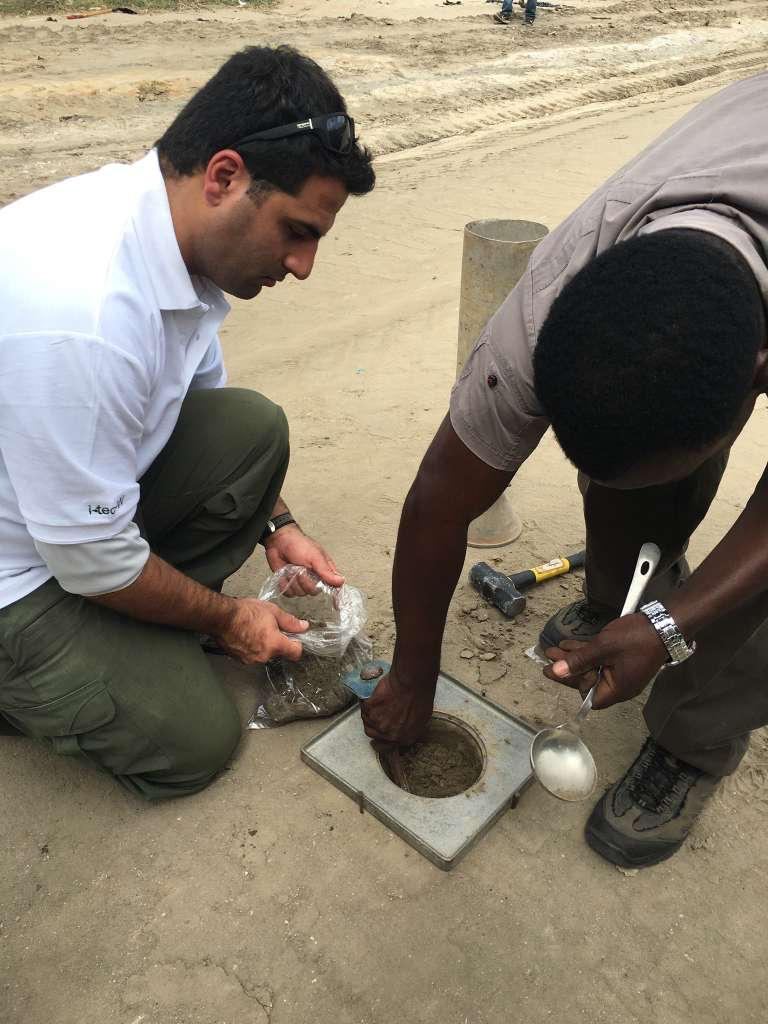
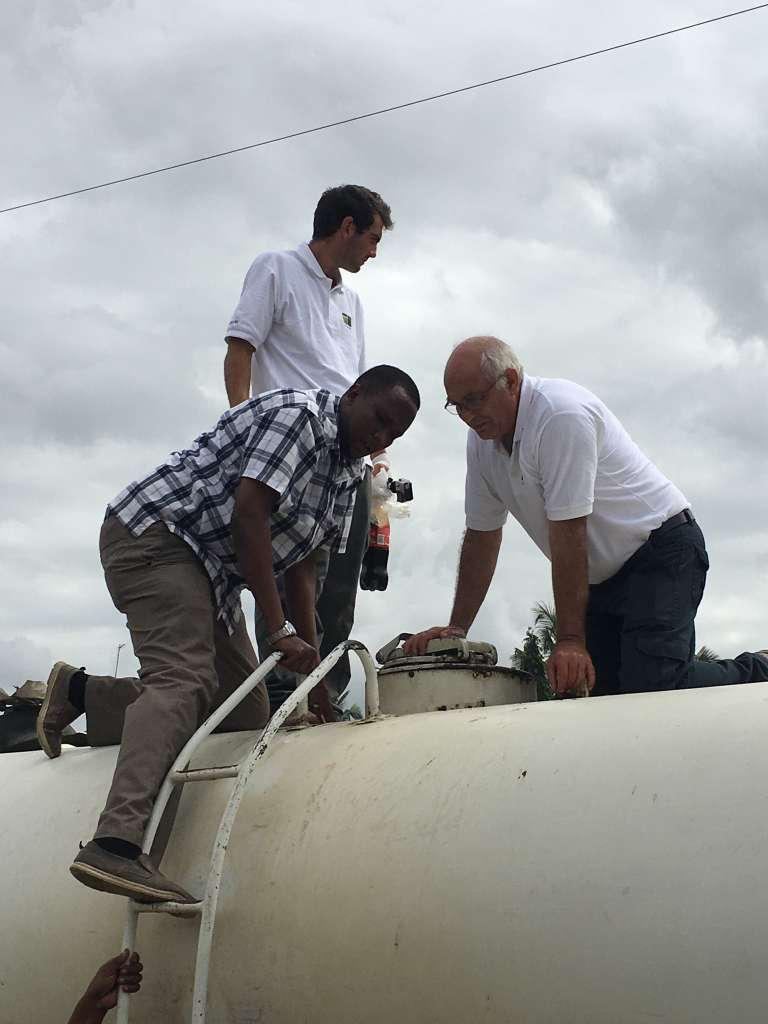
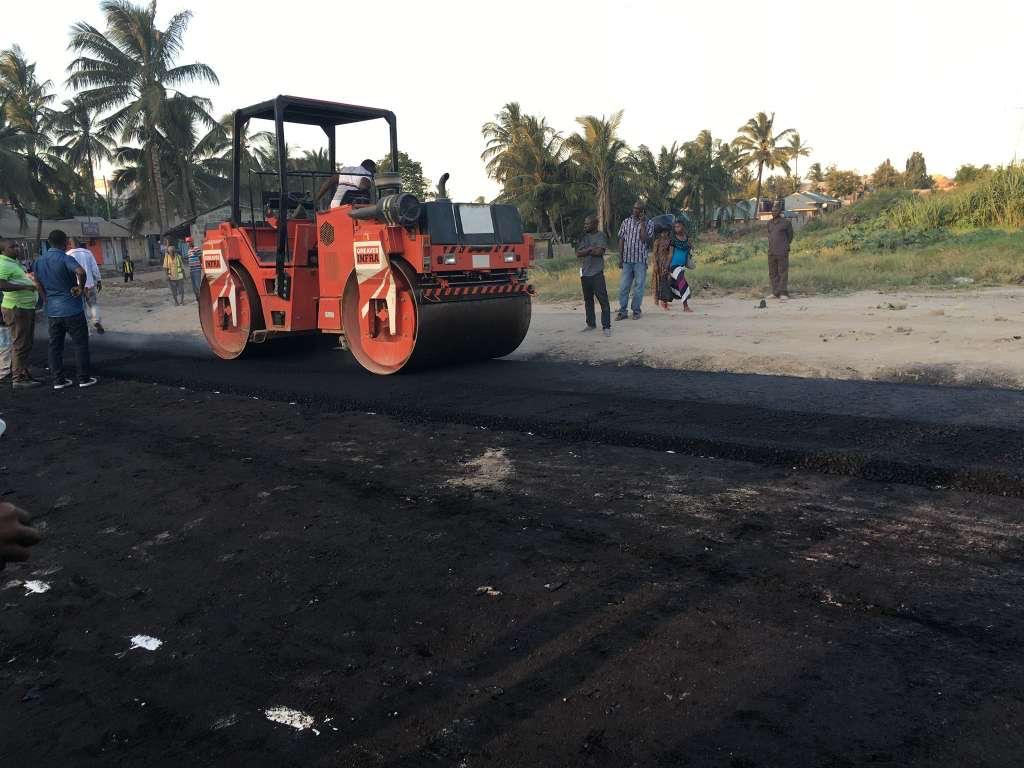
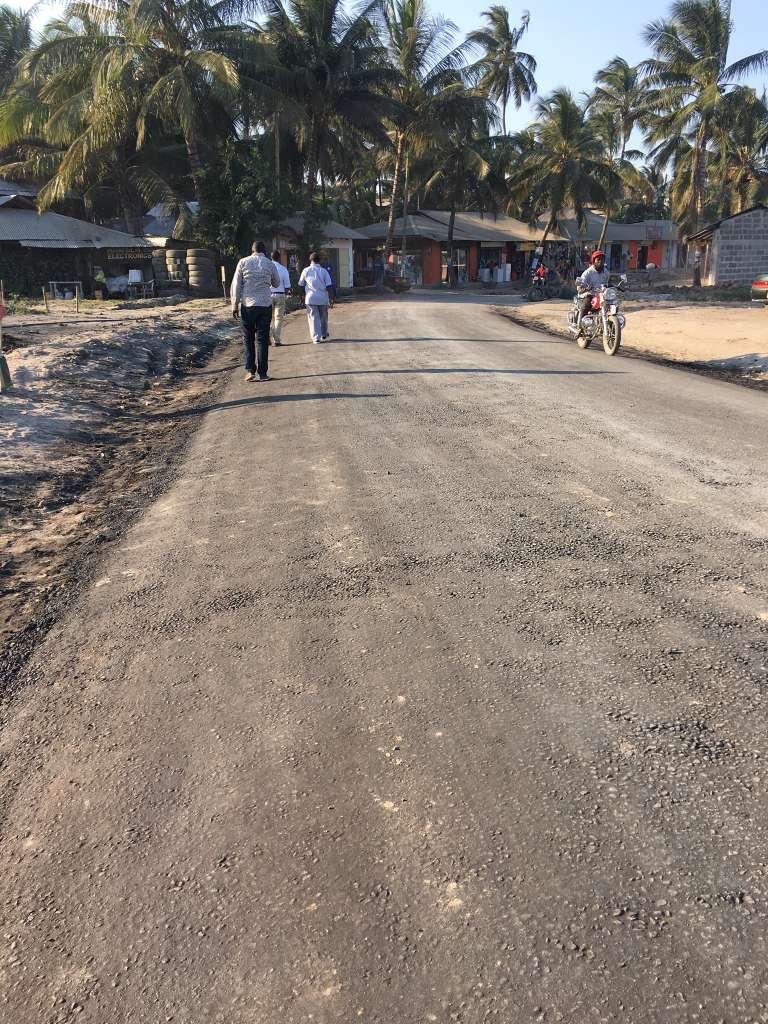
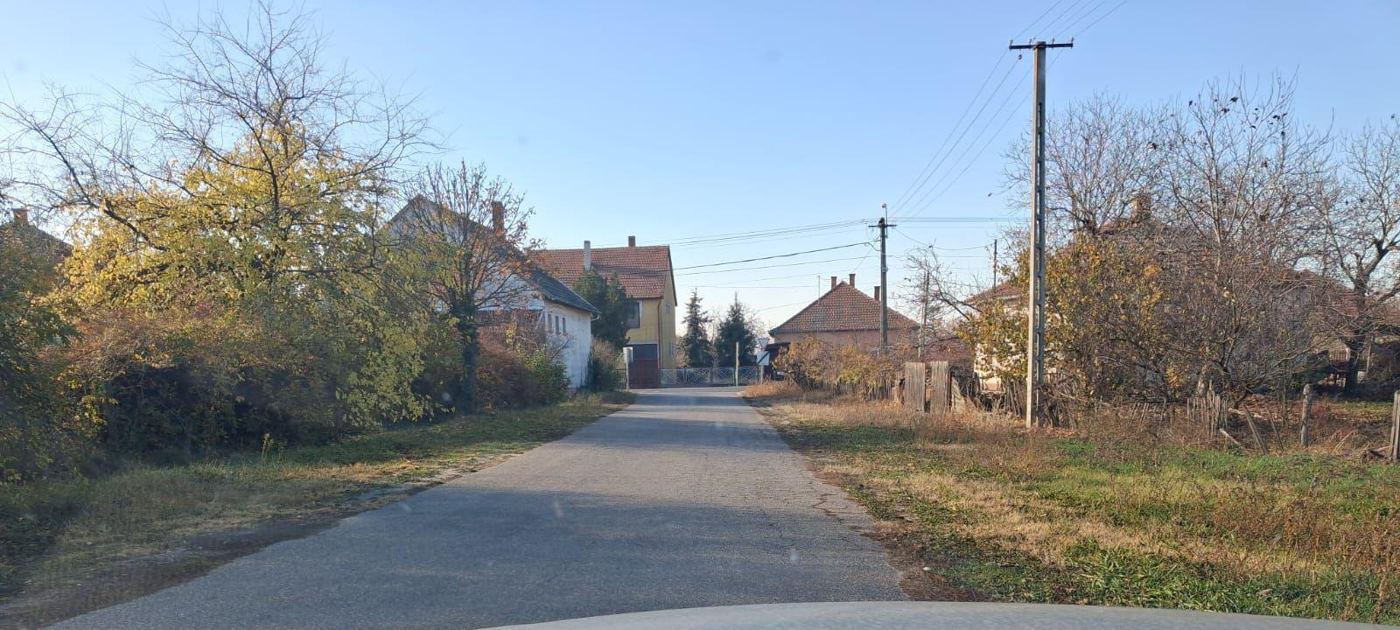
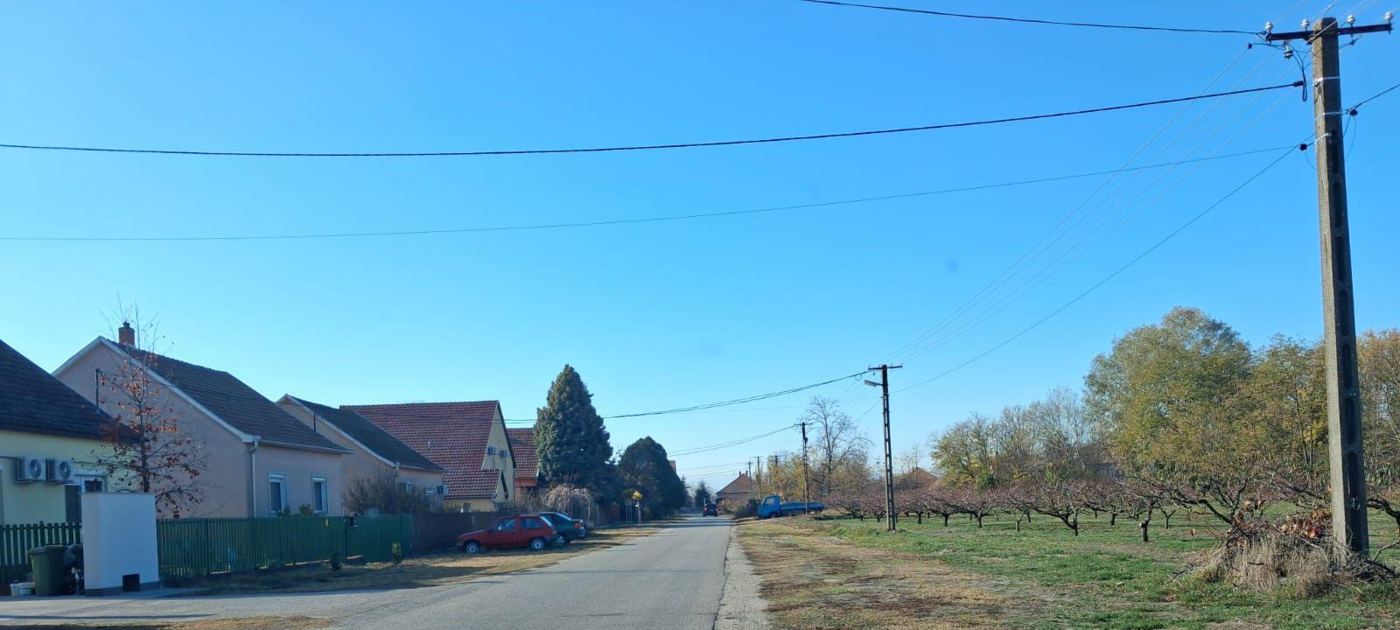
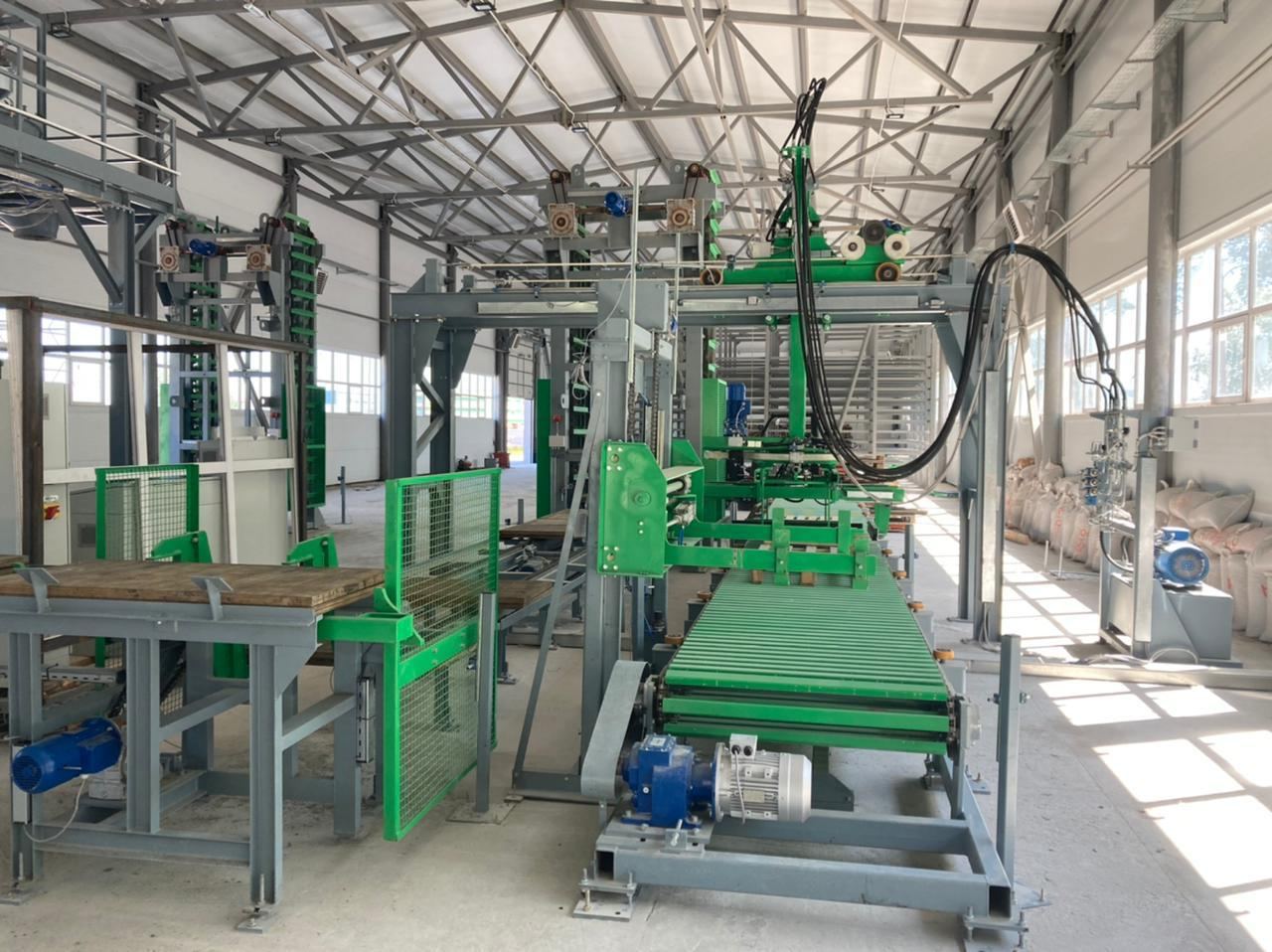
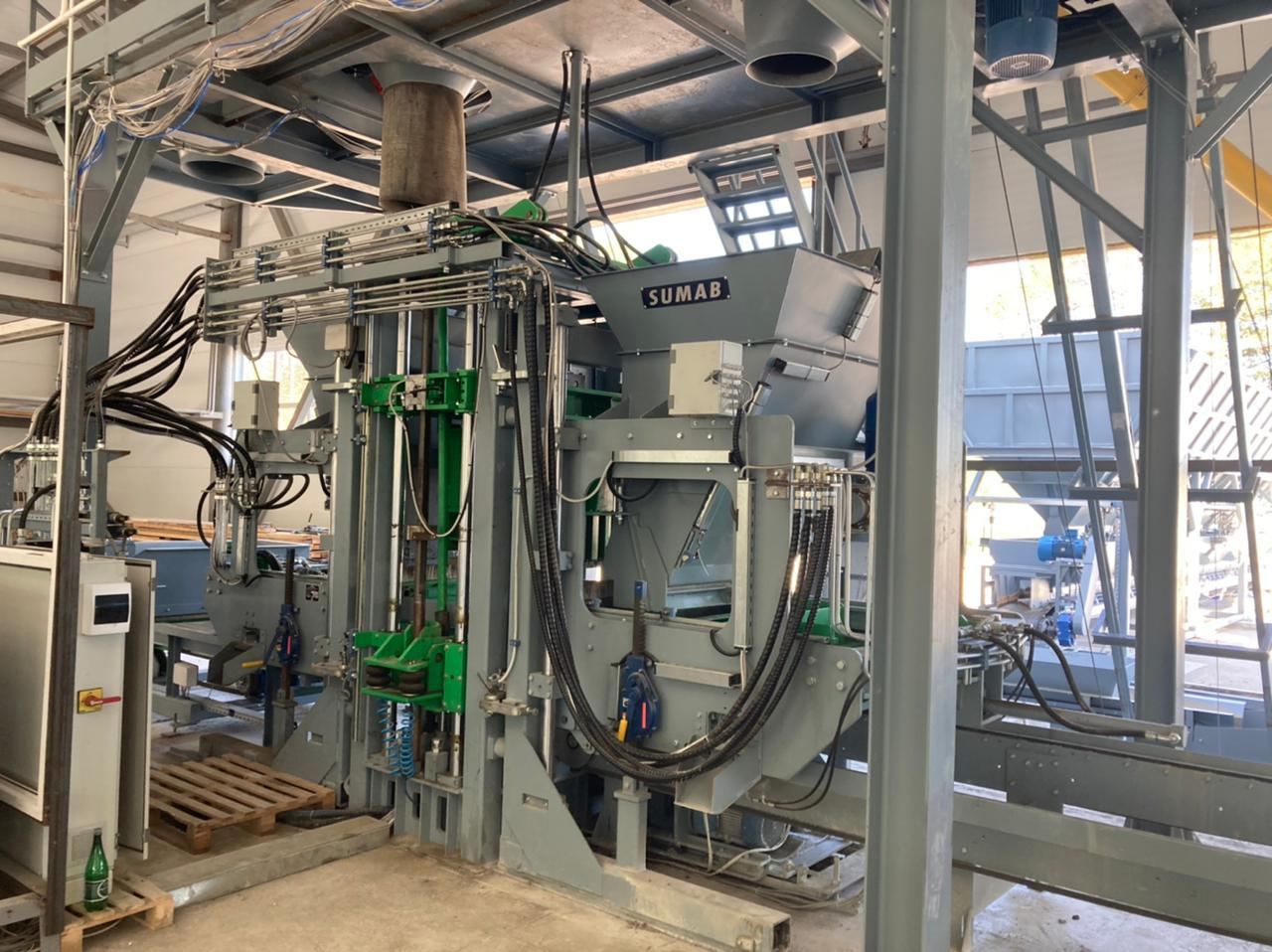
One technology, three kinds of work. Each uses the soil or waste material already available near the project.
New roads are built on stabilized local soil. Worn roads are recycled in place: the old asphalt and base are milled, treated and compacted into a new, stronger base, with no material hauled away.
Blocks and composite wall panels are pressed from local soil on or near the site, which shortens supply chains for housing and public buildings.
Pipes and other precast elements are made with a large share of the cement replaced by treated soil, at a lower production cost.
Zym-Tec was used to produce concrete pipes from enzyme-treated local soil. The project cut cement consumption sharply and lowered production costs, while the pipes met the required durability.
Dosage is matched to each soil through testing.
Graders, mixers and rollers already on site are enough.
No quarrying or long material deliveries before work starts.
A moisture-resistant base keeps its strength through wet seasons.
Moderate crew sizes, trained on site.
Less cement and less transport mean fewer emissions.
The enzyme ships as a concentrate, so one container covers a large area. Projects can choose how materials are delivered.
Building with what is already there is better for budgets and for the places where we work.
Cement production is a major source of CO₂. Replacing part of it lowers a project's footprint.
Processing materials on site removes most truck trips for aggregate and spoil.
Old asphalt, fly ash and quarry waste become inputs instead of landfill.
Work is done by local crews, and the skills stay in the community.
Tell us about the site, the soil and the scope of work. We will reply with next steps for testing and a proposal.